

The Intelligence Layer for the Energy Transition
Kazam uses AI to orchestrate vehicles, chargers, batteries and grids turning energy from a cost into an optimized asset.
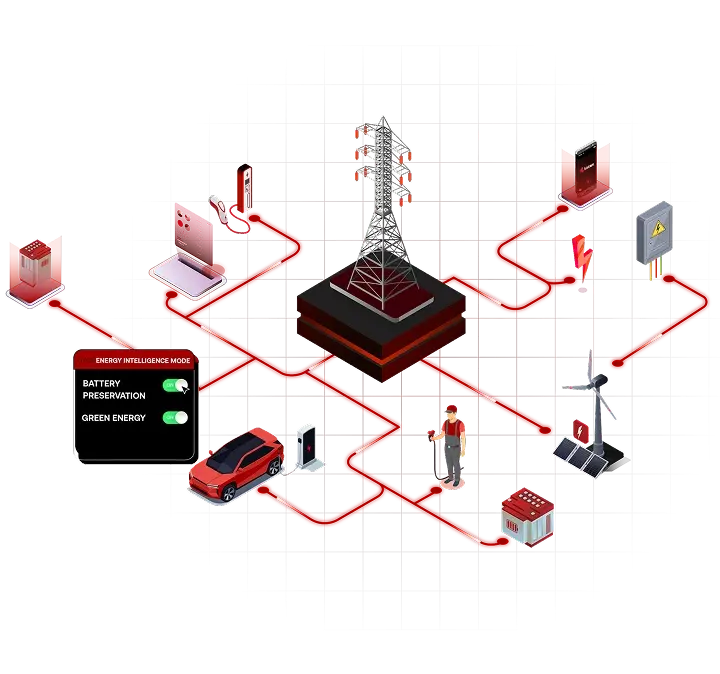
Architecture Layer
How Kazam transforms grid signals into intelligent decisions

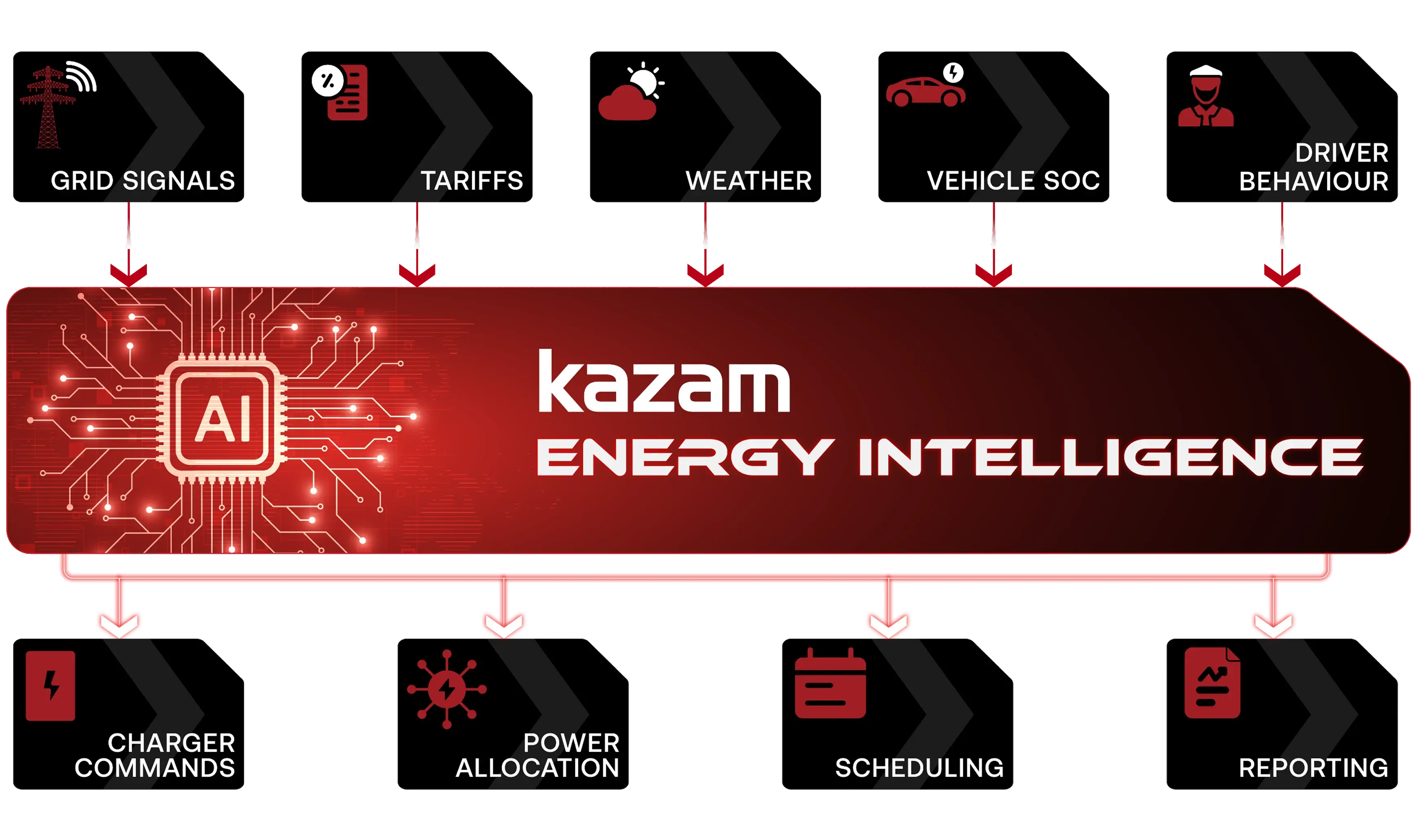
Energy Intelligence Engine


Demand Response Readiness
Knows when to reduce consumption during grid stress events
→AI Decision: Load curtailment timing

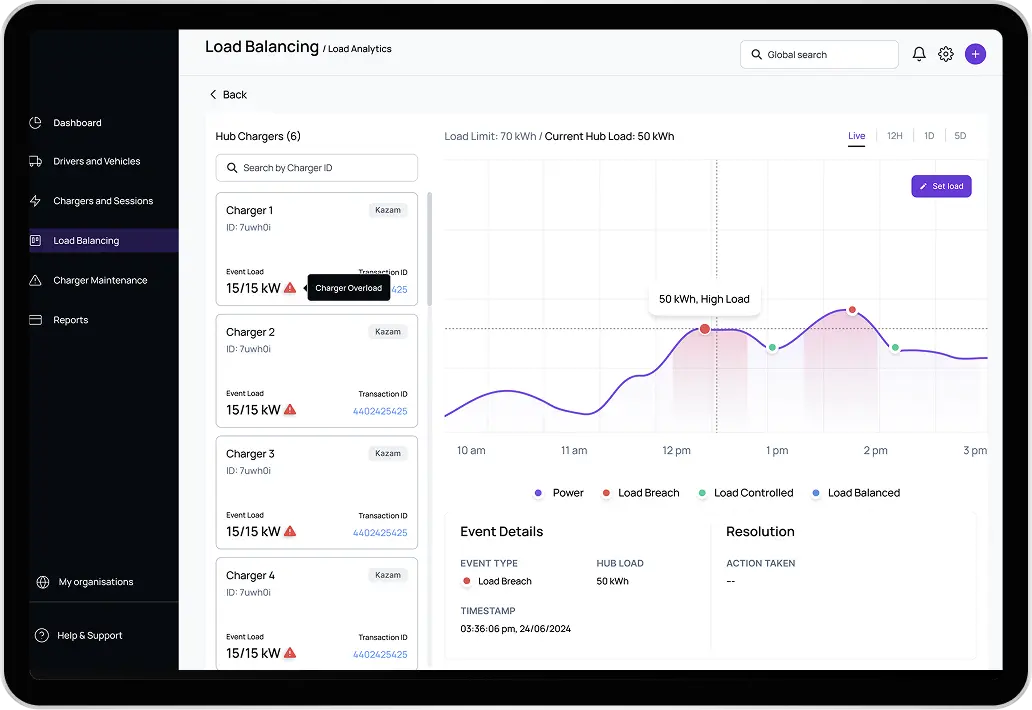

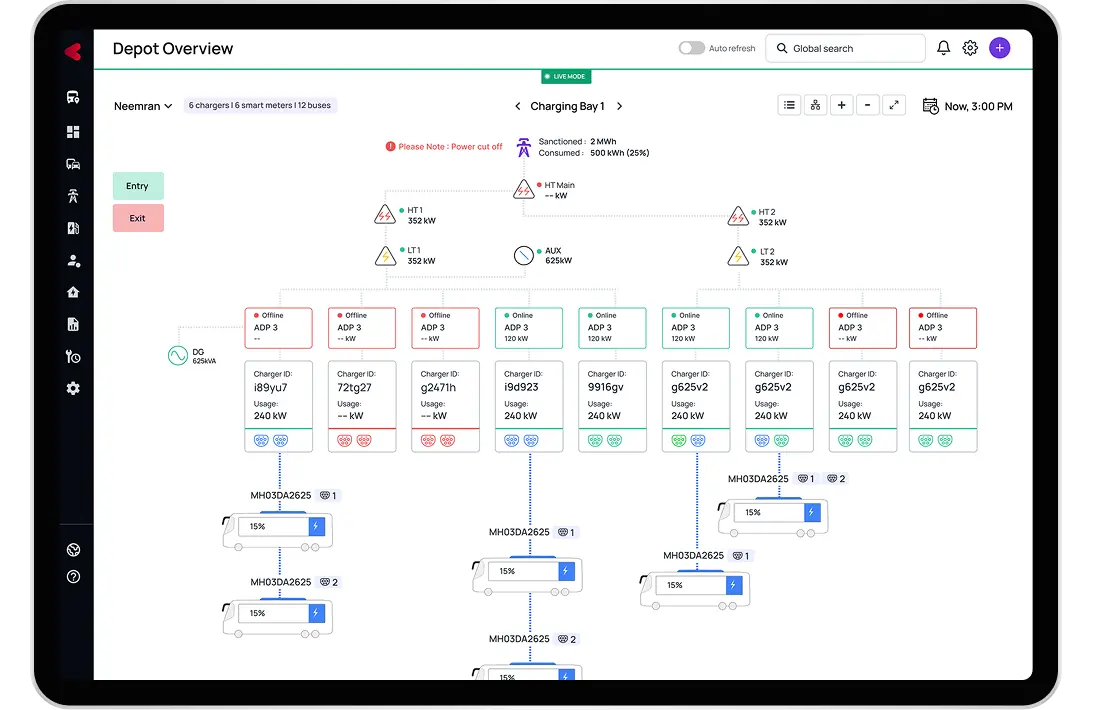
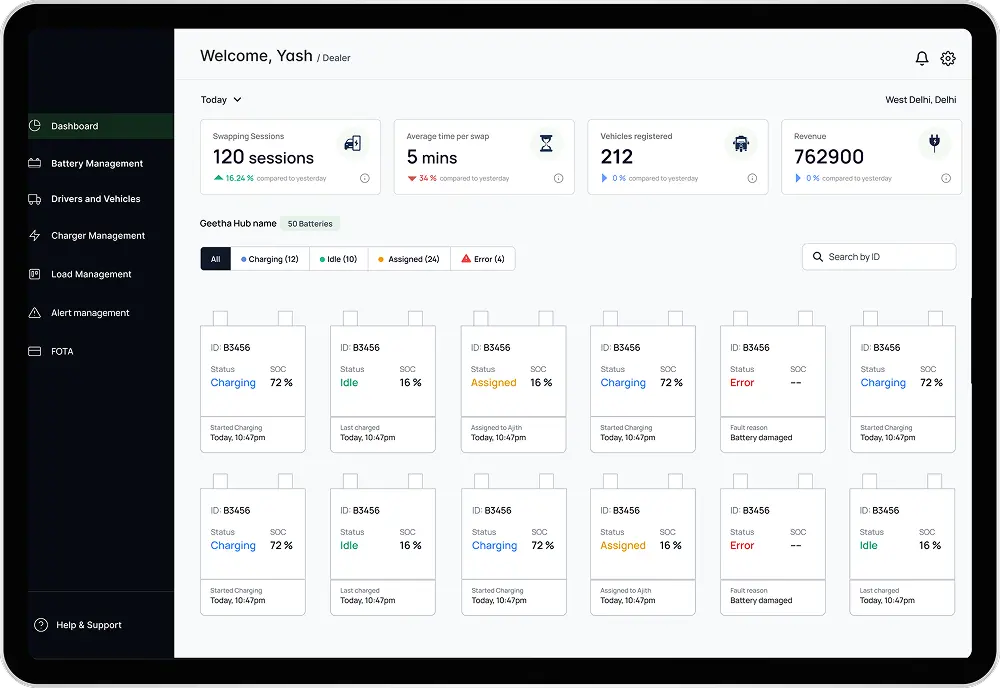
Smart Load Balancing
Decides when each vehicle charges based on grid conditions and demand
→AI Decision: Charging sequence optimization
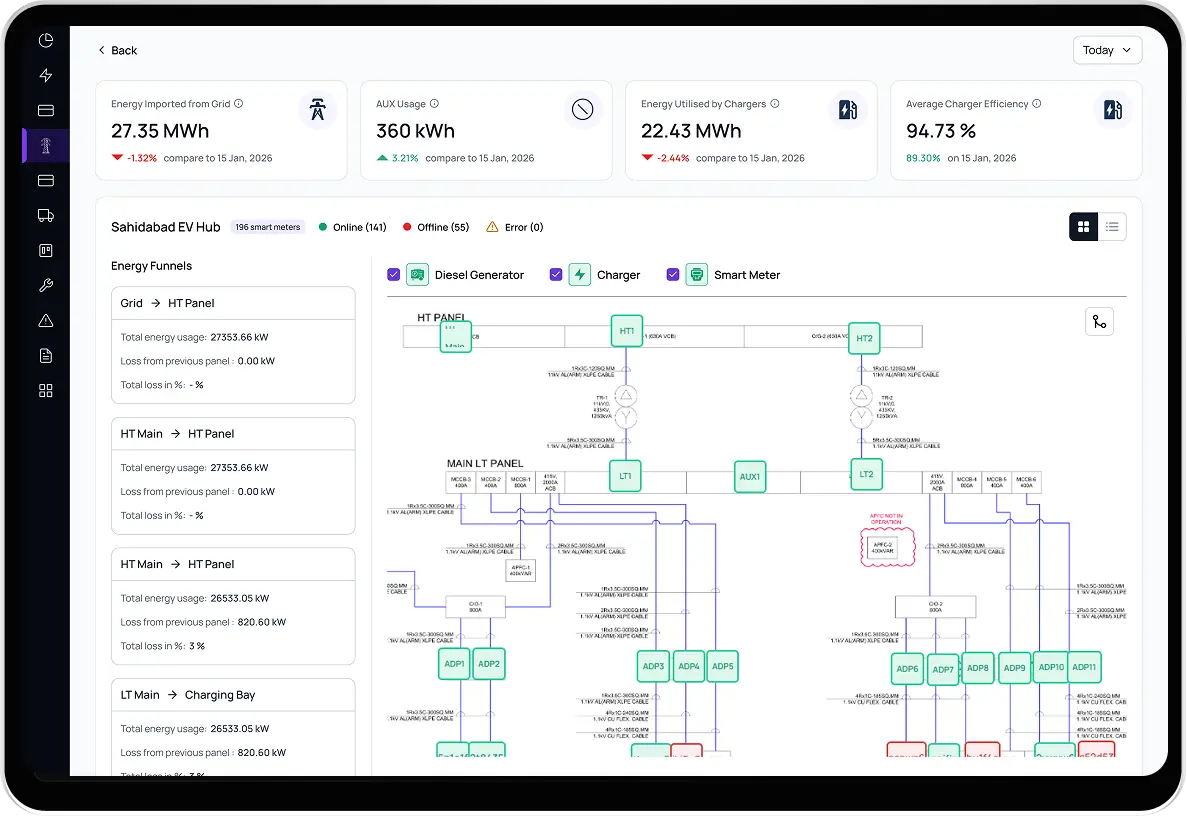
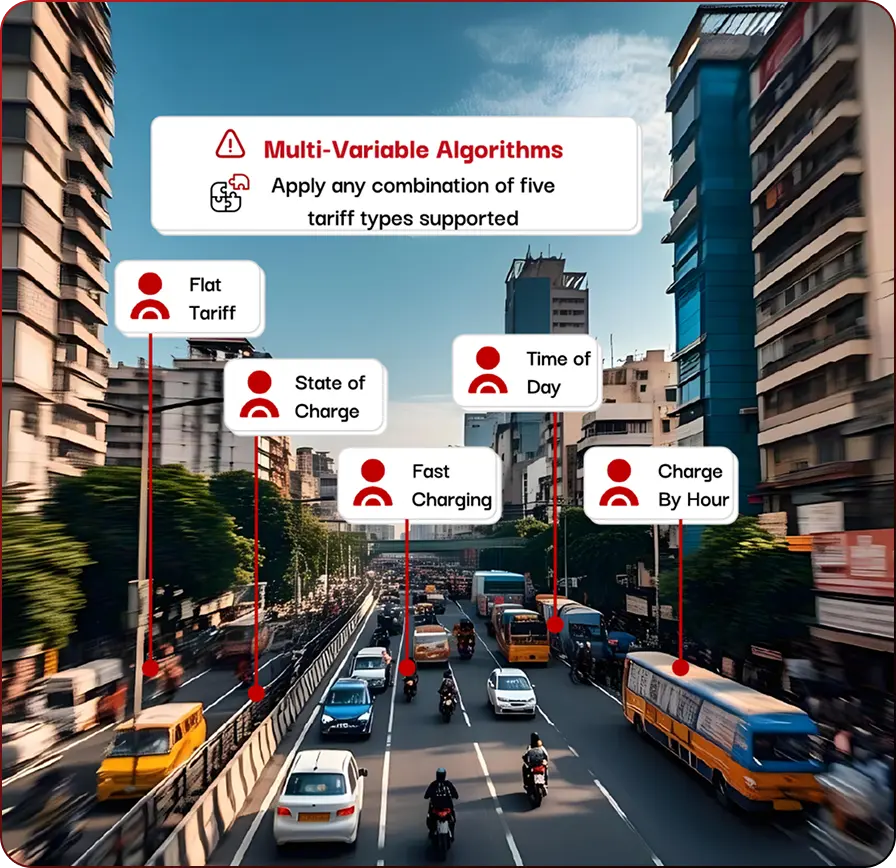
Dynamic Tariff Optimization
Determines which tariff to use for maximum cost efficiency
→AI Decision: Rate selection strategy.
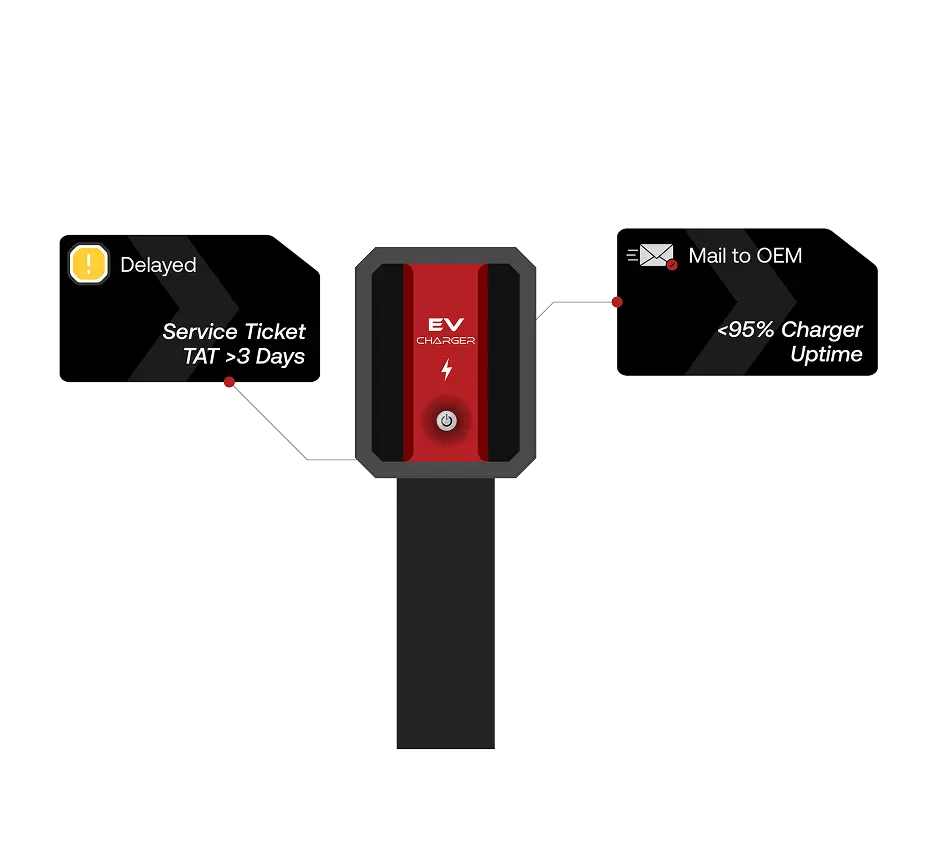
Predictive Fault Detection
Anticipates when hardware will fail before it happens
→AI Decision: Maintenance scheduling.
Distributed Renewable Optimization
Continuously evaluates local solar generation, surplus energy availability and grid conditions to prioritize low cost, low carbon energy consumption.
→AI Decision: Renewable energy prioritization.
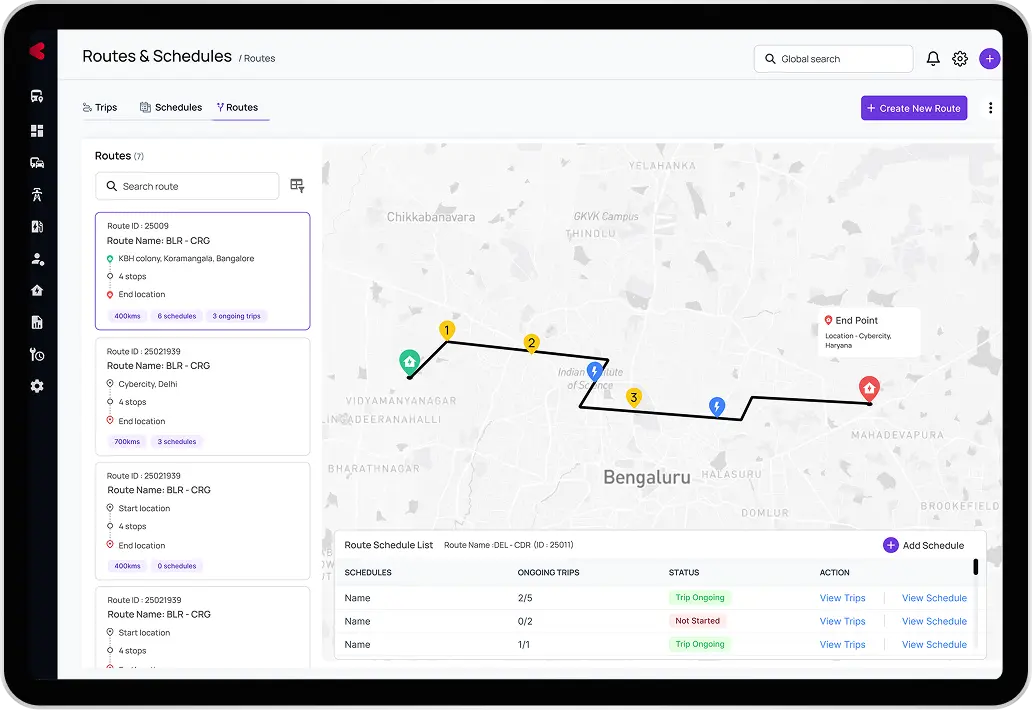
Fleet Scheduling
Prioritizes which vehicle gets charged first based on operational needs
→AI Decision: Vehicle priority ranking
Battery Aware Charging
Optimizes charging profiles to preserve battery health and longevity
→AI Decision: Charge curve optimization.


Measurable Outcomes
Across Stakeholders
Different value for every decision maker in the energy ecosystem


For Operators
- 20–40% lower electricity cost
- No manual scheduling
- Charger uptime improvement


For Enterprises
- Peak demand reduction
- Infra scaling without transformer upgrades
- ESG reporting ready


For Utilities
- Controllable flexible load
- Demand response participation
- Renewable absorption

Real World Scenarios

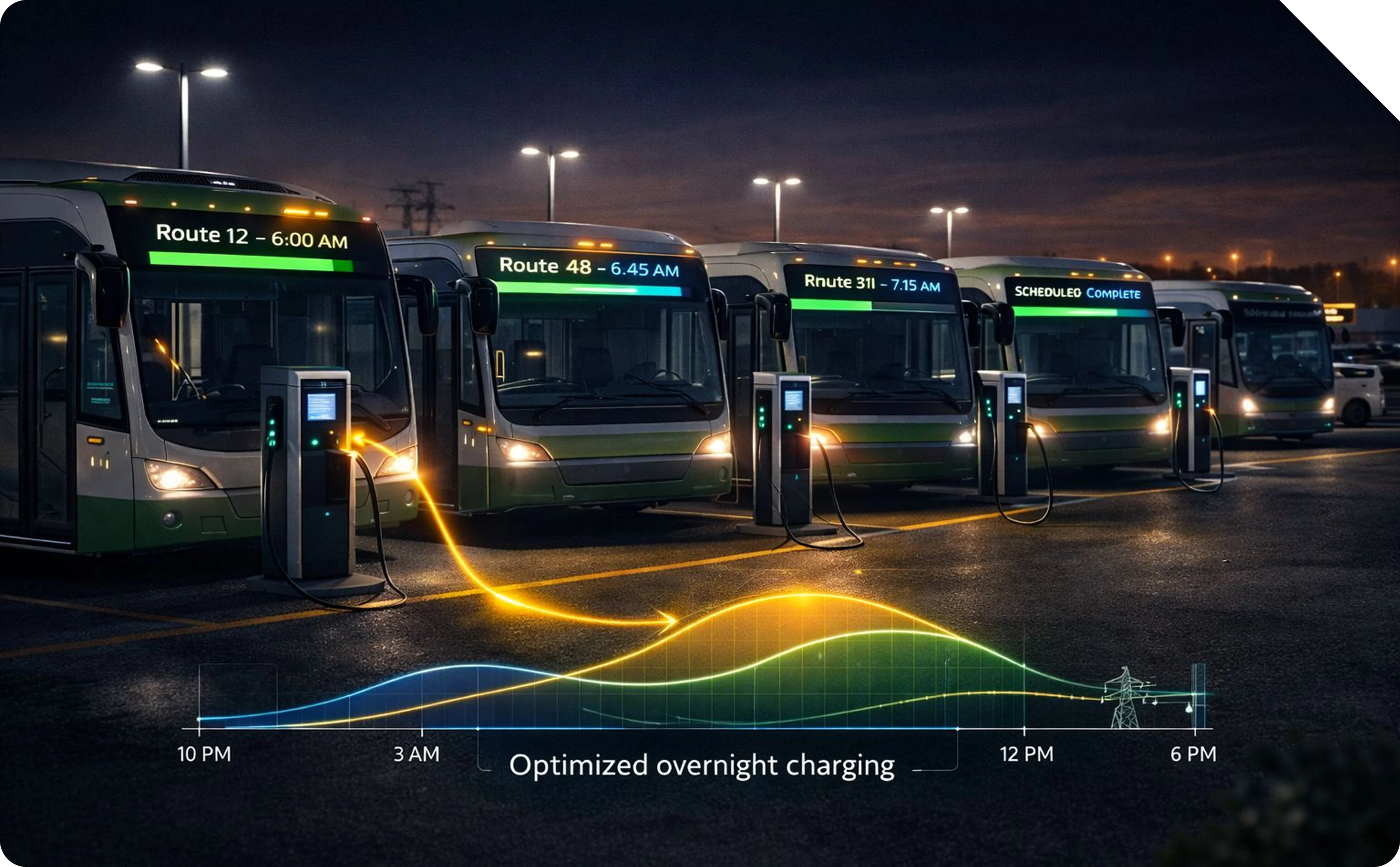
Fleet Depot
AI staggers charging across 80 vehicles overnight to avoid peak tariff windows, reducing electricity costs by 35% without manual intervention.
•Automated load distribution
Highway Fast Charging
Commercial Building
Bus Electrification
Connected Driver

Fleet Depot
AI staggers charging across 80 vehicles overnight to avoid peak tariff windows, reducing electricity costs by 35% without manual intervention.
•Automated load distribution


